

The Impact and Future of British Horse Racing Why Live Races Matter
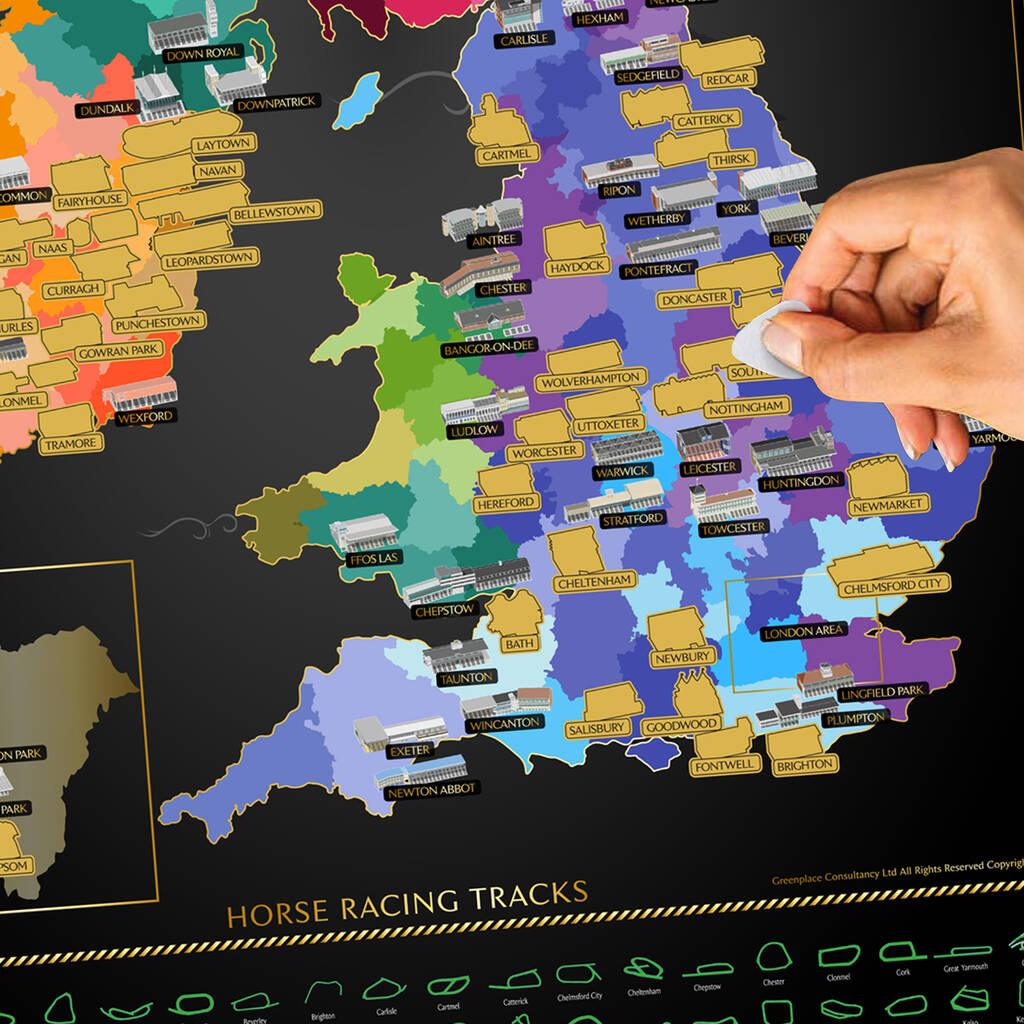
The Impact and Future of British Horse Racing: Why Live Races Matter
British horse racing, steeped in tradition and rich history, has captivated audiences for centuries. The exhilaration of live races, the craftsmanship of horse trainers, and the sea of enthusiastic spectators make it an unparalleled experience. However, recent developments, particularly during challenging times such as the COVID-19 pandemic, have brought the discussion of events being ‘not on’ to the forefront. The impact of canceled or postponed races has reverberated across the industry, affecting not just the athletes (the horses) but also the trainers, owners, betting operations, and the wider economy, making the need for British horse racing not on GamStop UK horse racing not on GamStop a topic of critical importance.
The Historical Context of British Horse Racing
Horse racing in Britain has its roots dating back to at least the 16th century. The first official racecourse, Newmarket, emerged in the early 17th century, and the sport has since evolved into a highly prestigious realm. Throughout its history, British horse racing has given birth to countless iconic races, including the Derby, the Grand National, and Royal Ascot. These events are more than just races; they are cultural landmarks that unite communities and inspire national pride.
Current State of British Horse Racing
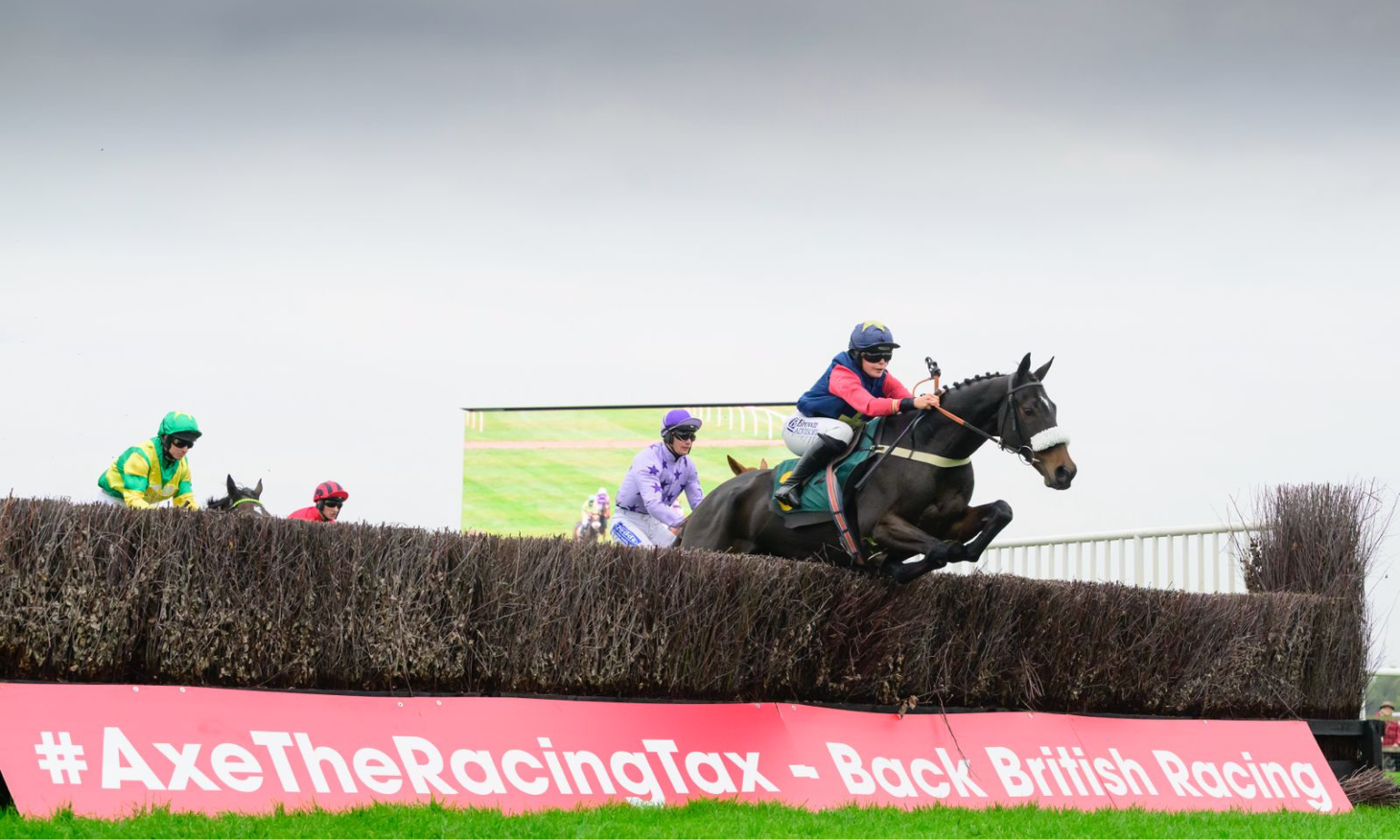
The British horse racing calendar is packed with scheduled events throughout the year. However, unforeseen circumstances can arise, prompting organizations to call off races. The pandemic showcased the sport’s vulnerabilities like never before, with many races being canceled or held without spectators. Such decisions were necessary to comply with health regulations and ensure public safety, but they sent shockwaves through the industry.
The Economic Fallout
The economic ramifications of canceled races are profound. According to the British Horseracing Authority, the industry generates billions for the UK economy each year. From betting operations to hospitality and tourism, every race generates substantial income. When races are not on, many businesses suffer, leading to job losses and financial instability. The ripple effect extends beyond immediate stakeholders, impacting local economies and supply chains tied to the sport.
Impact on Horse Welfare and Training
Beyond financial implications, the absence of racing has tangible effects on horse welfare. Thoroughbreds depend on regular racing opportunities to fulfill their physical and mental needs. Trainers and owners invest significant time and resources in preparing their horses for competition. When races are canceled, it disrupts their training routines and can lead to increased stress and anxiety among the animals.
The Role of Betting and Online Platforms
Betting is central to the excitement of horse racing. Fans place wagers not only for the thrill of potentially winning but also as a way to immerse themselves in the experience. With traditional betting venues closing due to canceled races, many turn to online platforms. This shift accelerated the reliance on digital platforms, leading to concerns about gambling addiction and responsible betting practices. Discussions around implementing safeguards, like UK horse racing not on GamStop, arose as a way to support responsible gambling in an increasingly accessible environment.
The Future of British Horse Racing
As British horse racing adapts to the challenges presented by these unprecedented times, stakeholders seek innovative solutions to ensure the industry remains robust and resilient. The integration of technology, including live streaming of events and enhan

ced online betting experiences, could transform the future landscape of the sport. These technological advancements could attract a younger audience and rekindle interest from long-time fans.
Building a Sustainable Model
One of the outcomes of recent challenges is a push towards building a more sustainable racing model. Initiatives focused on horse welfare, responsible betting, and community engagement are becoming increasingly critical. Collaborations between organizations, trainers, owners, and local communities are essential to fostering a rebound. Moreover, public engagement through promotional events and educational campaigns can reinforce the importance of the sport’s legacy and its role within British culture.
Conclusion: Embracing Challenges for a Brighter Future
While the challenges posed by events being ‘not on’ are significant, they also provide an opportunity for growth and reinvention within the British horse racing industry. By prioritizing horse welfare, embracing technology, and fostering a culture of responsible betting, the industry can emerge stronger. The road to recovery may be long, but the enduring passion for this beloved sport is likely to pave the way for a vibrant future. The stakes are high, but the possibilities are endless—just as every race begins anew with the promise of excitement and potential.
